Tag Archives: Rereading Our Childhood

The Top Posts of 1923

Happy 2024, everyone!

I don’t know if there’s some symbolism behind this year’s J.C. Leyendecker New Year’s baby that I’m missing, or if it’s just a baby knight riding a mechanical horse and using a feather as a lance. Any insights would be welcomed.

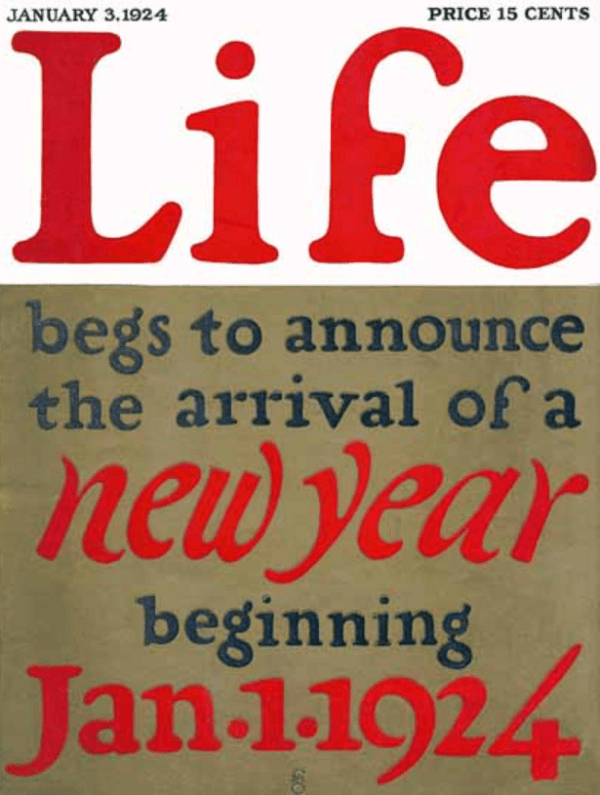
Elsewhere, Life waxes whimsical,
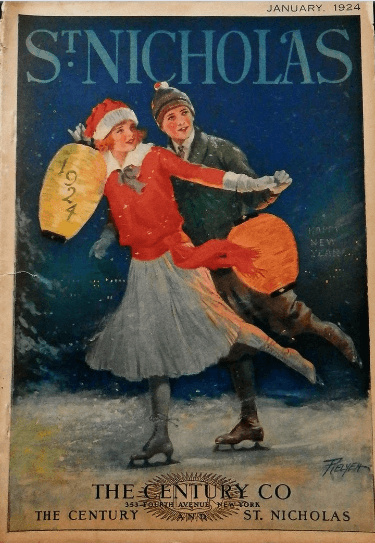
a skating duo rings in the new year at St. Nicholas,*
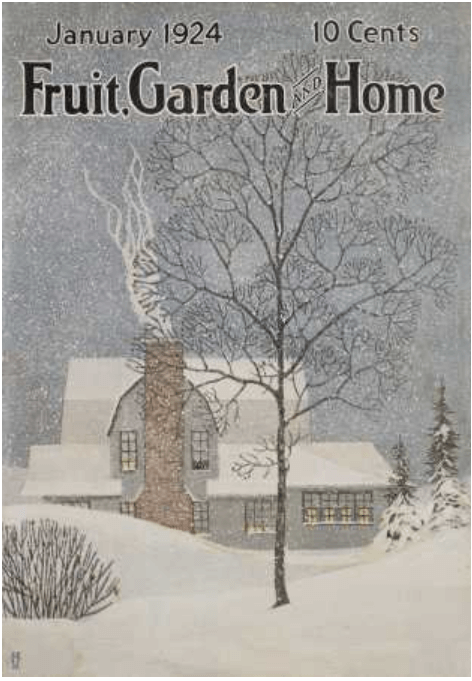
Fruit, Garden and Home (soon to be retitled, much more sensibly, Better Homes and Gardens) has a snowy scene,
and Motor magazine features the most scantily dressed Coles Phillips woman I’ve ever seen.

The Top Posts

As was the case last year, I didn’t have enough posts to fill out a top 10 list, but I did slightly better (8) than last year (7). Something must be going on with the Google algorithm, because 1) despite my lackadaisical posting schedule, my total views have shot up to unprecedented levels in recent months, and 2) almost all of the most popular posts, other than the home page (which makes up the vast majority of views), are from previous years. Pre-2023 posts don’t qualify for the Top 10, but I’ll mention the most popular ones after the countdown.

8. 1923 Magazine Covers Celebrate Thanksgiving.

For Thanksgiving, I always write about something I’m thankful for. In the past, I’ve chosen people I admire from 1918, illustrators of 1919, women illustrators of 1920, and, for 2021, the friends I’ve made along the way.** This year I chose the magazine covers themselves.

7. Children’s Books: Your 1923 Holiday Shopping Guide.
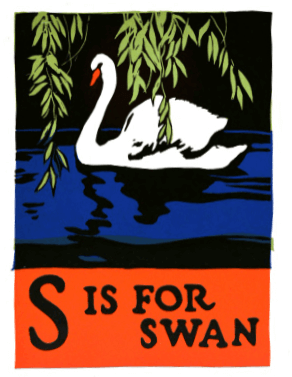
In researching my fifth annual children’s book shopping guide, I found a moral panic among magazine writers about children reading inappropriate books (Dare-Devil Dick! Seven Buckets of Blood!) and a couple of treasures: a beautifully illustrated alphabet book and an excellent poetry anthology.

6. A New Project!

In May, I announced that my friend Deborah Kalb and I were starting a podcast, Rereading Our Childhood, where, just like it sounds, we reread books we enjoyed as children. Six months in, we’ve published sixteen episodes, had a great time with our rereads, and, as I wrote this week in the top 10 countdown on the podcast blog, learned that producing a podcast is way harder than writing a blog. If you’re interested in following along, you can find us at rereadingourchildhood.buzzsprout.com.

5. Summer 1923 Magazine Covers, in All Their Glory.
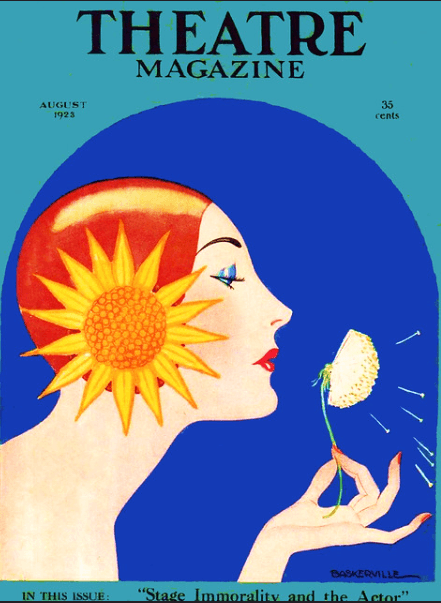
Having left a cold, wet Cape Town winter, I reveled in the D.C. summer, and in the summer magazine covers of 1923.

4. The Top, Um, Seven Posts of 1922.
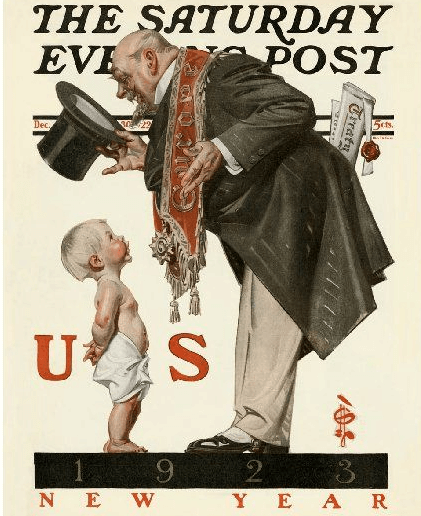
Last year’s countdown.

3. My Visit to 1920s–and 2020s–San Francisco.

I haplessly wandered around 2020s San Francisco in search of 1920s San Francisco.

2. The Top 10 Magazine Covers of Winter 1923.
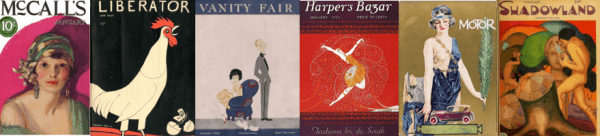
I had a lot of fun doing this countdown of the best magazine covers of winter 1923, and discovering some not-so-artistic but still fascinating ones.***

1. Claude McKay’s Harlem Shadows, “If We Must Die,” and Congressional Confusion.

This post was by far the most popular new one of the year. I wrote about the critical reception to McKay’s poetry and about the confusion over whether “If We Must Die” was entered into the Congressional Record, and if so, by whom. This was the second year in a row, after last year’s post on Langston Hughes, Teenaged Poet, that a post about an African American poet rose to the top.

The Top Posts from Past Years
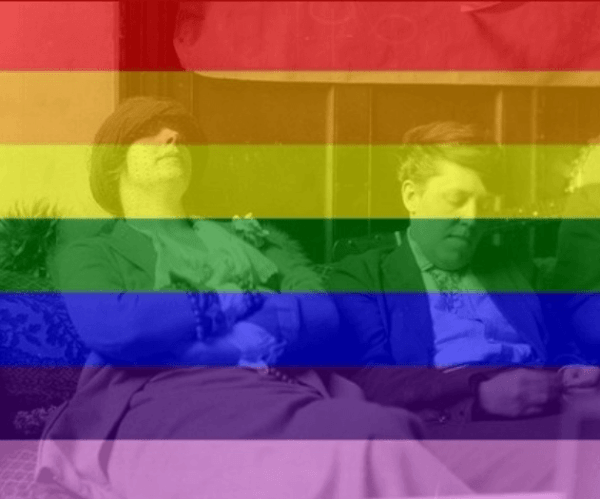
The most popular pre-1923 post of the year (and also the most popular post of the year, period) is The Surprisingly Ubiquitous Lesbians of 1918: A Pride Month Salute, in which I wrote about the lesbian relationships that were hiding in plain sight all over the place, apparently because people didn’t take women’s sexuality seriously. Perennial favorite My Quest to Earn a 1919 Girl Scout Badge is in second place, followed by Magazine Covers Ring in the 1920s and The Doctor and the Chorus Girl: A Heartbreaking Tale of Interracial Love.

The Journey Continues

On January 1, 2018, the day that I started this project and stopped reading anything from less than 100 years ago, I only expected it to last a year.**** (When I looked at my e-mail inbox this morning and found blog posts from Frank Hudson (talking about how Robert Frost is misunderstood) and witness2fashion (sharing some 1898 Delineator illustrations of women riding bicycles in very cumbersome clothing), I was reminded on the seventh New Year’s Day of this project of the wonderful community I’ve found along the way. I look forward to what 1924 will bring.*****
squiggle

*Speaking of which, I went ice skating in Cape Town a few days ago. If you’re a skater of average ability and want to feel like Michelle Kwan, go to a skating rink in South Africa.

**I skipped 2022, apparently.

***I still love the giant pencil.

****For any new readers who may be concerned about my sanity and my status as a well-informed citizen, the part of the project where I ONLY (with a few exceptions) read from 100 years ago did only last a year.

*****A housekeeping issue: For those of you who follow me on Twitter, I’ve stopped posting there. You can find me on BlueSky at @marygracemcgeehan.bsky.social.

A New Project!

It’s been a long time since my last post, but I have an excellent excuse. I’ve been preparing for the launch of Rereading Our Childhood, a podcast where my friend Deborah Kalb and I revisit books we read as children.

Deborah and I met in college and have been talking about books ever since. We’ll continue this conversation on the podcast, revisiting our childhood favorites (and sometimes not-so-favorites) and assessing how well they hold up from our present-day vantage point. We’ll delve into the lives of the writers, discuss what the kids in the books are reading, and weigh in on whether we’d recommend the books to children today (not always an easy call, even for some books we loved as children).

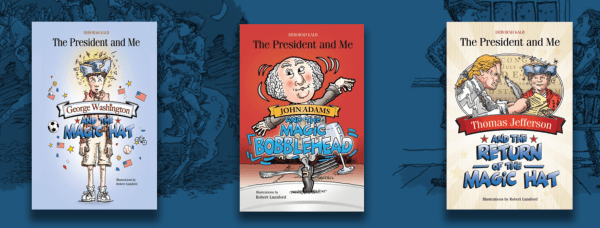
Deborah is the author of the series The President and Me, in which children travel in time and meet early American presidents. I’m not a children’s writer myself,* but children’s literature is a longstanding interest of mine, reflected on this blog with holiday children’s book roundups from 1919, 1920, 1921, and 1922 and my post on pioneering children’s librarian Annie Carroll Moore.**

We’re launching this podcast at a moment when, in the name of protecting children, books dealing with gender identity, race, and other “controversial” topics are being removed from the shelves of public libraries and school libraries around the United States. Most of the banned children’s books are relatively recent, but some date from our childhood. (A recent PEN America report provides an overview of the situation.)

Creative Commons license CC BY-SA 4.0

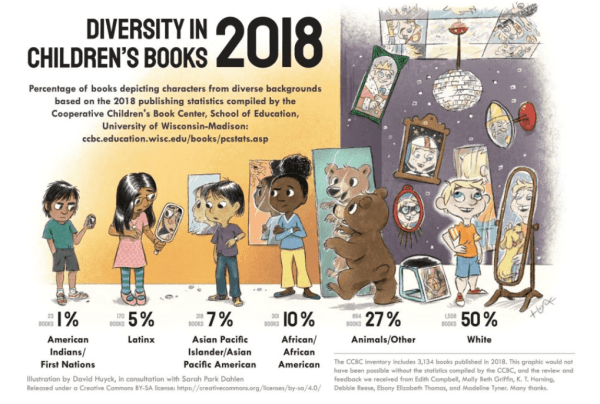
On the positive side, children’s literature has become much more diverse since our childhood, when, as we’ll discuss, almost all children’s authors and almost all characters in children’s books were white. The recent graphic above shows that much has changed since that time, but that book characters are still (once you take “animals and others” out of the equation) mostly white. The lack of representation in the books of our childhood will inevitably be reflected in the books we talk about, but we’ll seek out the exceptions.

During the period when Deborah and I were growing up—the 1960s and 1970s—the shelves of school libraries and the children’s rooms at public libraries*** included a higher proportion of books that had been published a decade or more ago than seems to be the case today. Our childhood reading went back to the 1920s and 1930s, with an occasional pre-1920 classic. This gives us access, in this project, to books spanning half a century or more.

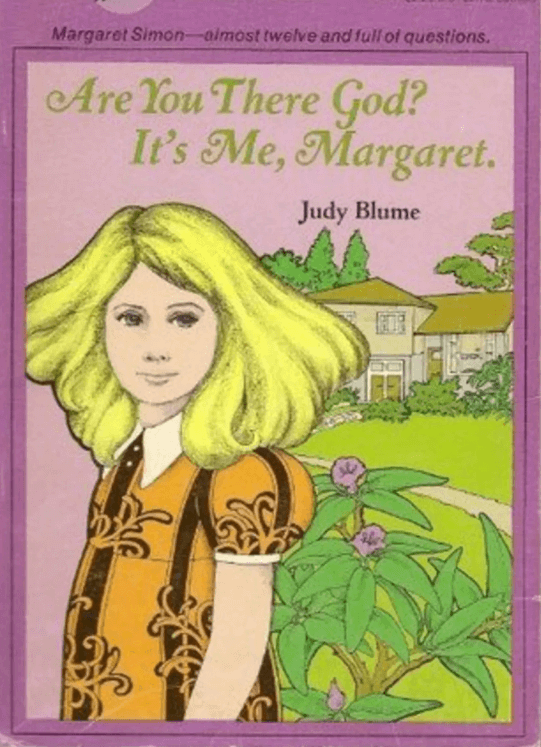
On our first episode, we discuss Are You There, God? It’s Me, Margaret, Judy Blume’s 1970 classic of adolescence. We talk about our opinions of the book then and now (preview: I was and am a big Blume fan but not such a big fan of Margaret herself) and its impact on our lives. We look into the Blume moment currently underway, with a feature film of Are You There God? It’s Me, Margaret in theaters now and other film and TV productions in the works. We discuss Blume’s advocacy against book banning, which her own books have been subjected to.

Preparing for the podcast has been quite a learning experience. Starting a podcast turns out to be way harder than starting a blog, although my memory of the challenges that presented may have dimmed. There’s editing**** and distribution and artwork and music and show notes and—something I never used to think about at all and now think about all the time—getting your chair not to squeak.

The world of a hundred years ago and the world of twentieth-century children’s books are different, but I imagine that there’s a lot of overlap in terms of people’s interest, so I hope some of you will join Deborah and me on our latest adventure. I don’t want to give away too much in terms of specific books, but I can tell you that spying and witchcraft and crime solving and dancing and haunting will be involved!

Rereading Our Childhood is hosted at Buzzsprout, and you can listen to it on Spotify, Apple, Google, and other podcast platforms.***** The website, with show notes and links to the episodes, is at www.rereadingourchildhood.com. We’re on Twitter at @RereadingPod. We’d love to hear from you with your thoughts about the podcast or memories of your own childhood favorites.

Now that the podcast is up and running, I look forward to having more time to return to the world of 100 years ago!

squiggle

*Apologies to my childhood self for not living this dream.

**The artwork for the podcast and the podcast’s website, with the girl reaching for a book, is from a 1921 Children’s Book Week poster by Jessie Willcox Smith, whose work is frequently featured here. (The same illustration was used on the poster for the first Children’s Book Week in 1919.)

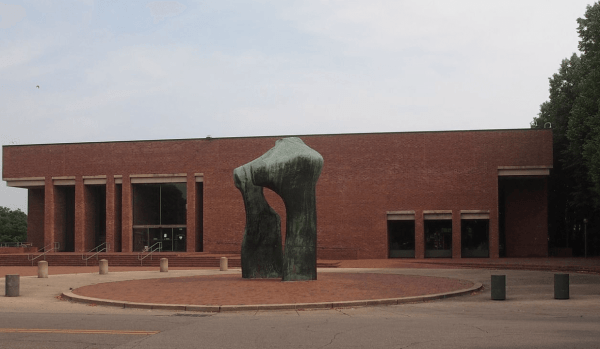
***I had access to wonderful public libraries in the various places I lived as a child, but the most extraordinary one was the I.M. Pei-designed library in Columbus, Indiana, with a Henry Moore sculpture in front.

Richard McCoy, 2013 (Creative Commons license, CC BY-SA 3.0)

****I got extremely stressed out over this before throwing up my hands and deciding to use a professional editor, at least for now.

*****If you can’t find the podcast at your podcast platform or if you run into any technical difficulties, please let me know, here or through the podcast website.