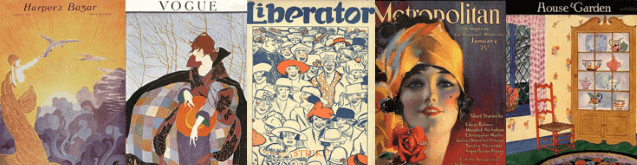
I haven’t been feeling much Fourth of July spirit this weekend for a lot of reasons, including Cape Town’s gray winter weather. So I decided to turn to 1926, when America celebrated its sesquicentennial, hoping to find a more festive scene.*
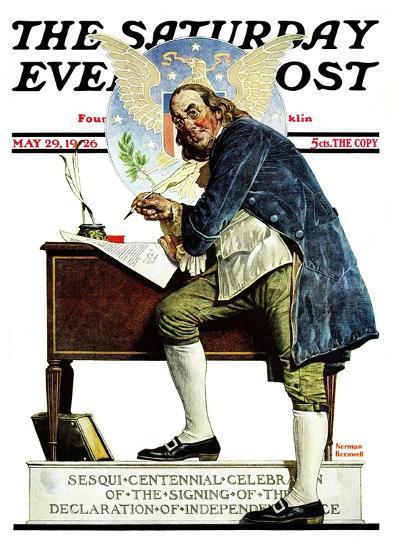
On the magazine covers, there was less celebrating than I expected. The Saturday Evening Post got the ball rolling a month in advance with a Norman Rockwell cover honoring Benjamin Franklin,
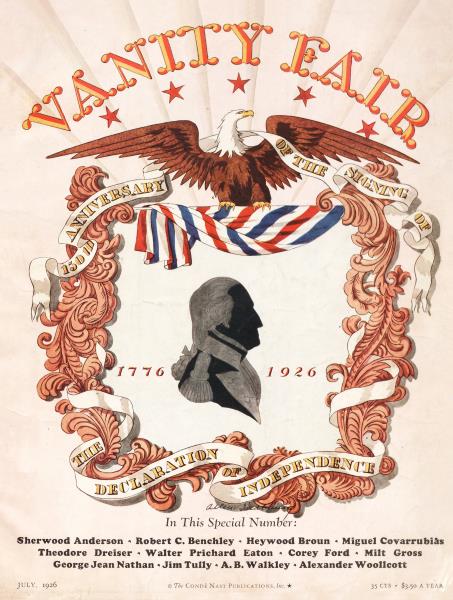
and Vanity Fair, normally more into jazz than jingoism, was all in. The New York Times said in a roundup of July magazines, “All one needs for a real old-fashioned Fourth of July celebration is a pack of firecrackers, a brass band and a copy of the July Vanity Fair with its patriotic cover on which the American eagle proudly spreads its wings above a silhouette portrait of George Washington.”
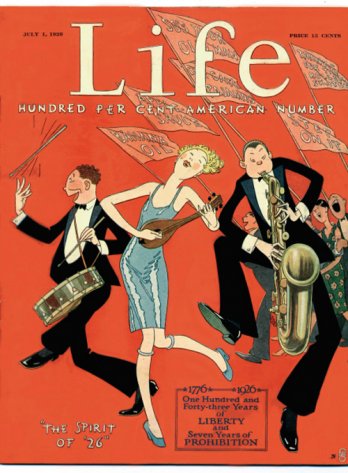
There were a few other nods to the occasion, including Life celebrating “one hundred forty-three years of liberty and seven years of prohibition”
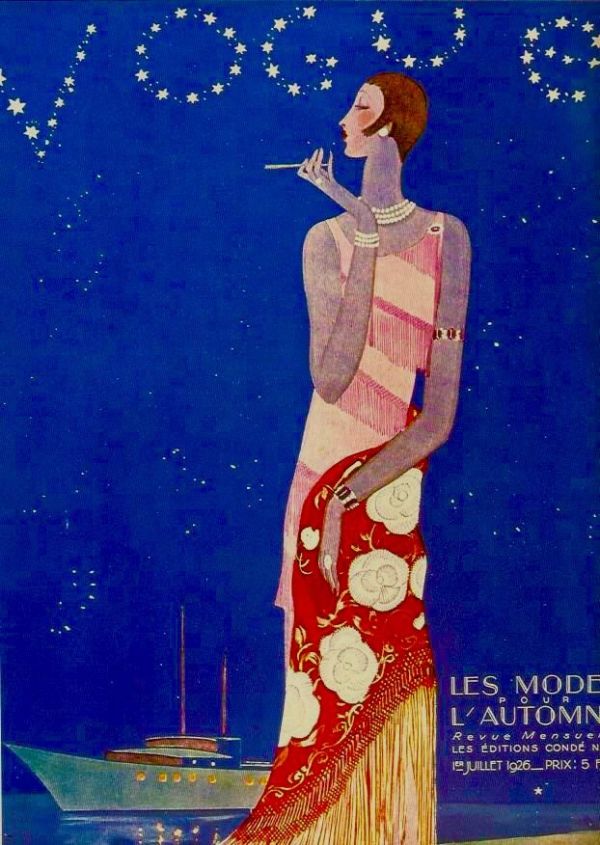
and a red, white, and blue Eduardo Garcia Benito Vogue cover, but that was about it.
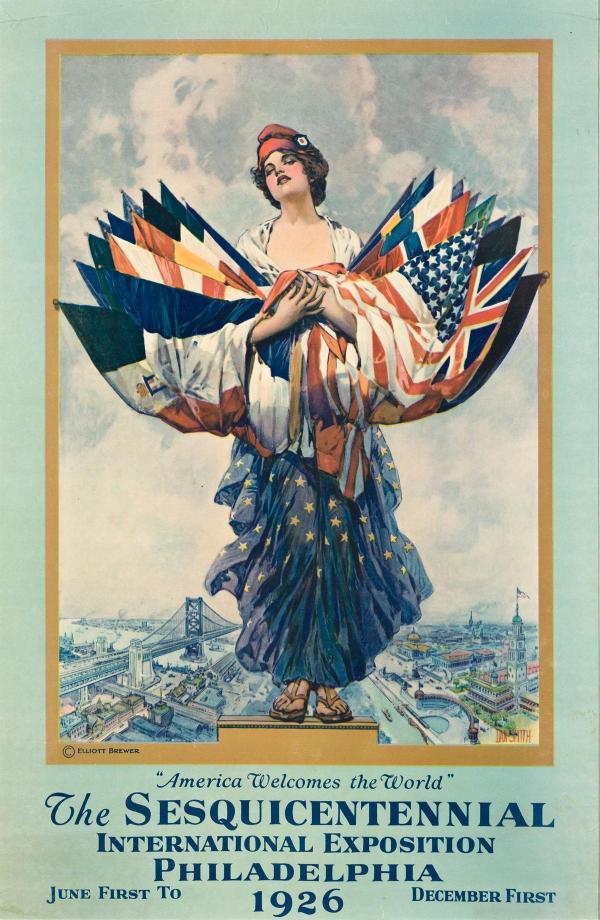
I turned to the real-life celebrations, hoping to find a more festive scene. The main commemoration, it turned out, was the Sesqui-Centennial International Exposition in Philadelphia. Organizers hoped to duplicate the success of Philadelphia’s centennial exhibition, officially known as the International Exhibition of Arts, Manufactures, and Products of the Soil and Mine, which, despite its yawner of a name, was a big hit, with ten million visitors at a time that the country’s population was 46 million.**
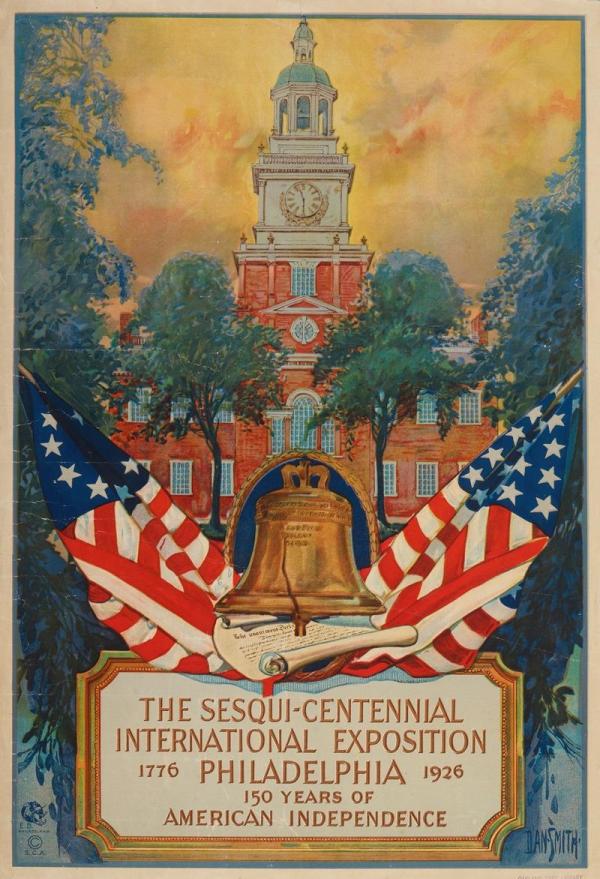
Sadly, it was not to be. Following years of infighting, the original organizing committee was elbowed aside by a Republican political operative, William Vare, whose main priority was to award lucrative contracts to his cronies. The fairground site was moved to a piece of swampy land controlled by Vare’s political machine. When the fair opened on May 31, many buildings were still uncompleted. A Talk of the Town piece in the September 18 issue of the New Yorker called the exhibitions “empty, idle, and sad.” Attendance was poor due to inclement weather, starting with a downpour on opening day that drove fairgoers away, and a general lack of public enthusiasm.***
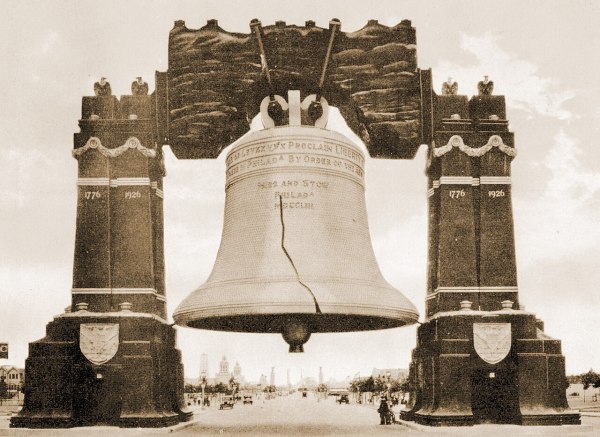
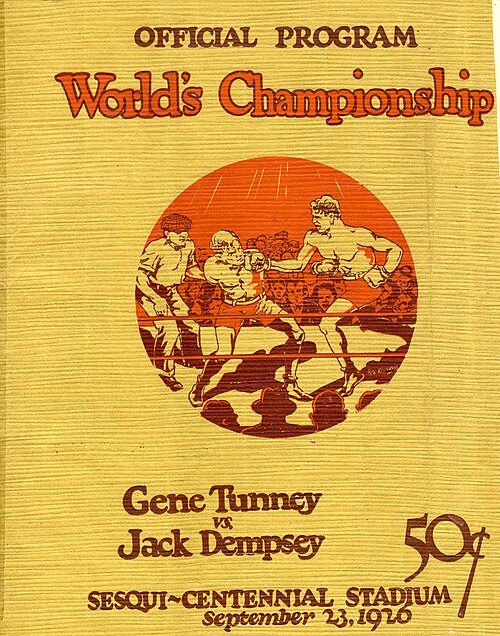
There were some highlights, including a cool-looking giant replica of the Liberty Bell and the legendary boxing match between Jack Dempsey and Gene Tunney (which took place in pouring rain before a crowd of 125,000),**** but the fair was a bust. Paid attendance was only 4.6 million, and the committee, deeply in debt, was placed in receivership.
This tale of corrupt politicians, terrible weather, and lackluster celebrations is, let’s just say, not the escape from the current century that I was looking for.
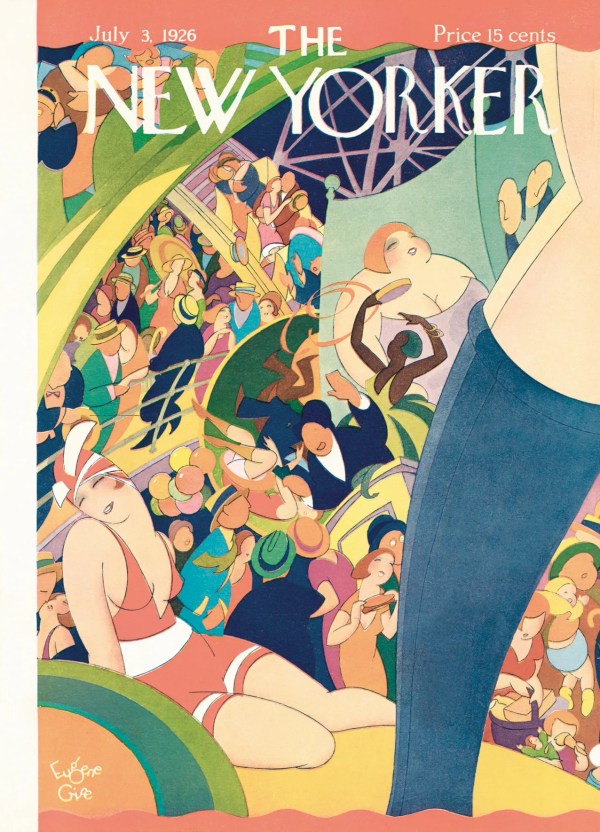
So let’s forget the sesquicentennial and have some regular summer fun. We can hang out at the beach,
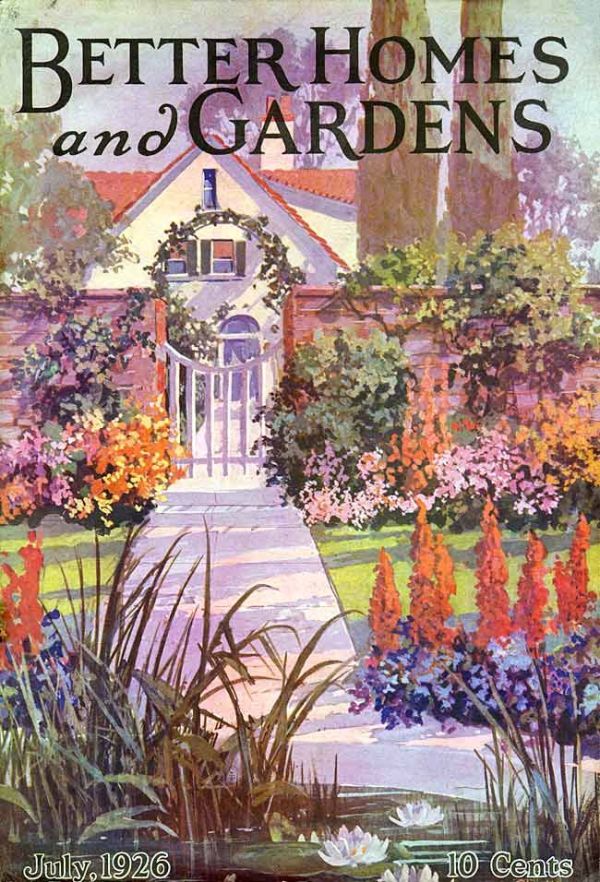
in the garden,
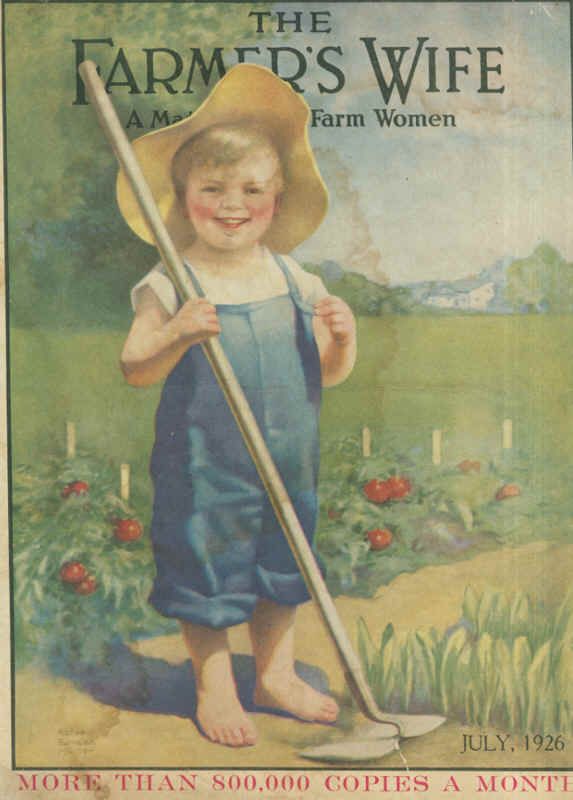
or in the park,
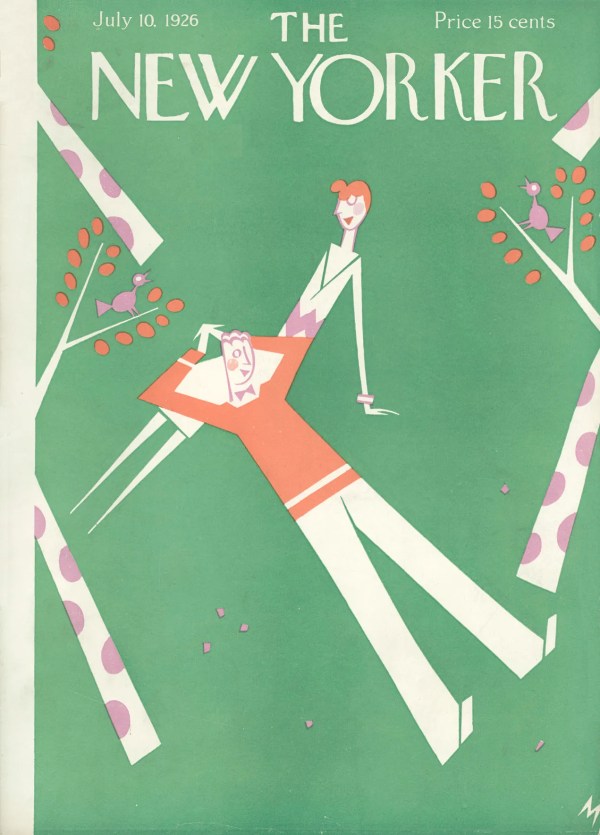
or do whatever is going on this cover by the always enigmatic Erté.
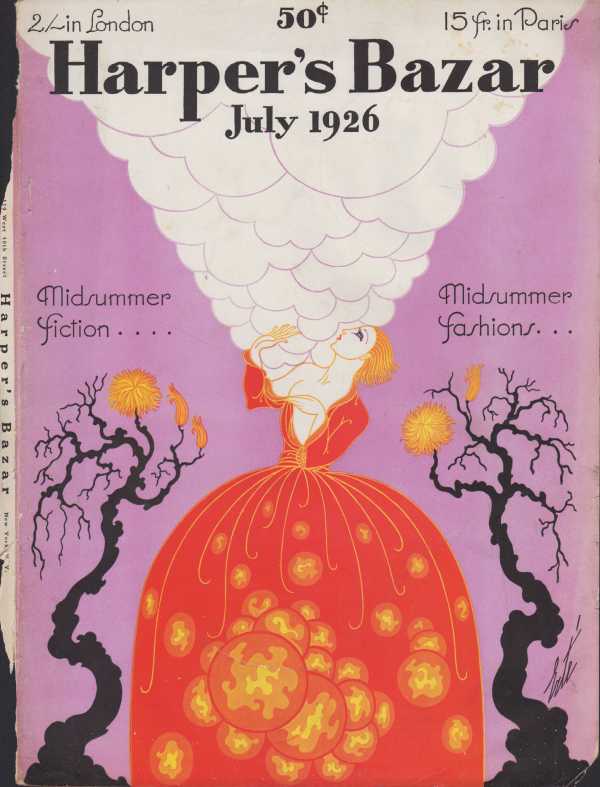
Happy Independence Day however you celebrate!
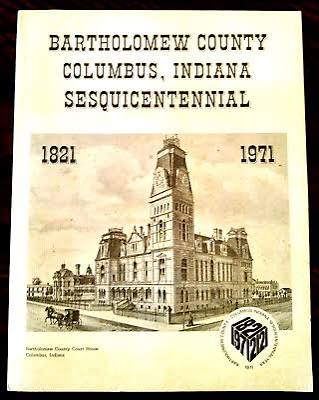
*The word sesquicentennial has been in my vocabulary since I was a fourth grader in Columbus, Indiana. Columbus’s 150th anniversary was coming up, and our teachers, Girl Scout leaders, etc., had worked us up into a state of frenzy. Then my dad got a job in Washington, D.C. My first reaction on hearing of our move was, “But we’ll miss the sesquicentennial!” I forget how exactly how my New York-born mom responded, but I definitely got the message that she did not consider Columbus, Indiana, the center of the universe.
**Its investors lost money, though.
***The Encyclopedia of Greater Philadelphia has a great article on the sesquicentennial here.
****It was after this match that Dempsey said to his wife, “Honey, I forgot to duck,” which Ronald Reagan quoted to Nancy Reagan after his 1981 assassination attempt.

